

Sometimes it is hard to define the need for an emergency dentist appointment.
At Ipswich Dental Care, we believe that if you have sustained trauma and/or you are in pain, it is an emergency.
Prompt treatment of the tooth can dramatically increase the odds of the tooth being successfully treated and saved. If the pain comes and goes or reduces, it can sometimes be tempting to postpone treatment.
It is important to remember that delaying treatment can increase your chance of serious infection, which can become life threatening, and also reduce the chance of a positive outcome for your tooth.
We set aside ‘emergency dentist’ appointments each day to help accommodate our patients in need on a daily basis.
We also open each weekend and two late nights a week.

There are various triggers or reasons why people incur toothaches. It is all too often a very nasty experience for sufferers and we want you to know that we are always here to help you in this time of need.
Sometimes toothache can be caused by something simple such as:
If left untreated the problem will only get worse and usually more costly. In some cases where abscesses occur, the issue can become quite serious.
If you are experiencing any dental discomfort please do not hesitate to contact us on 3202 3999.
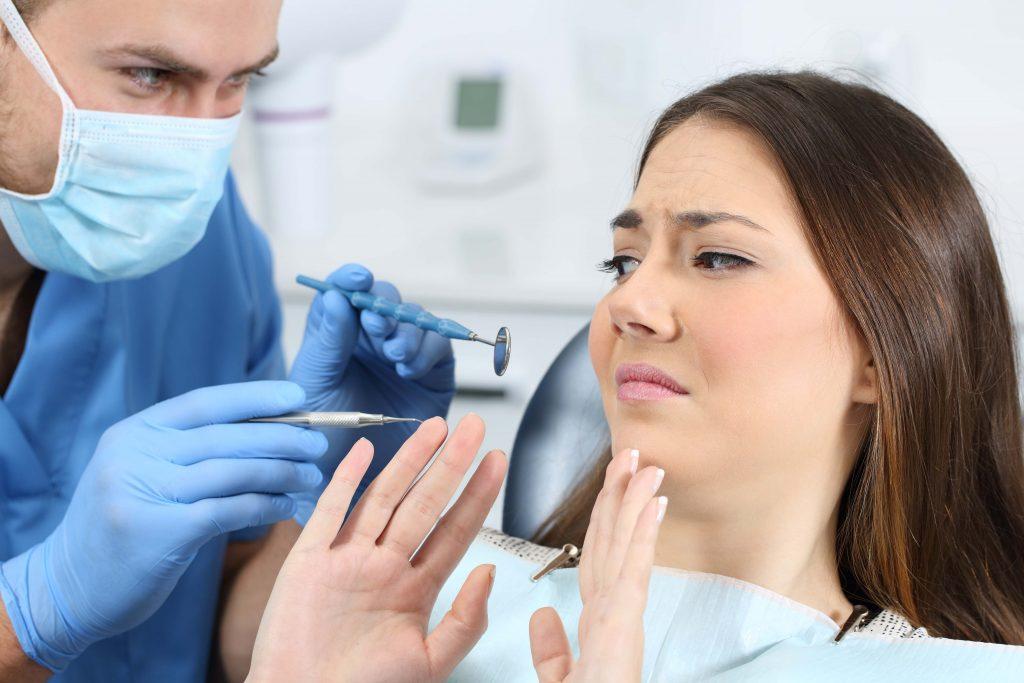
When people suffer from trauma to the mouth, it can sometimes result in a tooth being knocked out.
If a tooth is knocked out – remain calm and act promptly


If you are experiencing a severe toothache, it is important to contact an emergency dentist as soon as possible. Tooth pain can indicate infection, decay, trauma, or nerve damage that may worsen if left untreated. At Ipswich Dental Care, we recommend seeking prompt treatment to help relieve pain and improve the chances of saving the affected tooth.
Yes. Ipswich Dental Care sets aside emergency dentist appointments each day to help accommodate patients who require urgent dental treatment. We understand dental emergencies can happen unexpectedly and aim to provide fast care whenever possible.
If your tooth has been knocked out, carefully pick it up by the crown (not the root), keep it moist, and seek immediate dental treatment. If possible, gently place the tooth back into the socket or store it in milk until you can get to the dentist. Fast action can significantly improve the chances of saving the tooth.
A dental emergency may include severe tooth pain, swelling, infection, trauma to the mouth, a broken tooth, or a knocked-out tooth. At Ipswich Dental Care, if you are in pain or have experienced trauma to your teeth or mouth, it is considered an emergency and should be assessed promptly.
Delaying emergency dental treatment can allow the problem to worsen and may increase the risk of infection, tooth loss, or more extensive dental procedures later on. In some cases, untreated dental infections can become serious and affect your overall health. Early treatment generally leads to better outcomes and reduced discomfort.
This website uses cookies to improve user experience. By using our website you consent to all cookies in accordance with our privacy and cookies policy.