












Orthodontics Explained: Why Straight Teeth Matter More Than You Think
When you think of orthodontics, you picture braces and a journey toward a straighter smile. While improving appearance is certainly a major benefit, orthodontic treatment goes far beyond cosmetics. Properly aligned teeth can significantly impact your oral health, confidence, and overall quality of life.
What Is Orthodontics?
Orthodontics is focused on diagnosing, preventing, and treating misaligned teeth and jaws. Common issues include overcrowding, gaps, overbites, underbites, and crossbites. These problems can develop due to genetics, early tooth loss, thumb-sucking habits, or jaw growth irregularities.
Why Alignment Matters
Crooked and/or crowded teeth are harder to clean, which increases the risk of plaque buildup, tooth decay, and gum disease. Incorrect bites can also lead to uneven wear on teeth, jaw pain, headaches, and even difficulty chewing or speaking. Orthodontic treatment is used to correct these issues leading to better hygiene and overall function.
Types of Orthodontic Treatments
Modern orthodontics offers a variety of treatment options to suit different needs and lifestyles:
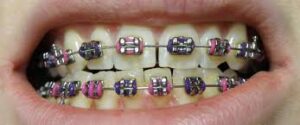
- Traditional Metal Braces: The most common and effective option for complex cases. Today’s designs are smaller, more comfortable, and more efficient than ever.
- Ceramic Braces: Similar to metal braces but with tooth-colored brackets for a more discreet appearance.
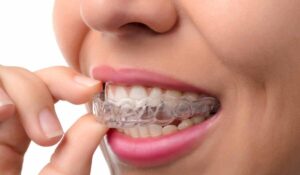
- Clear Aligners: Removable, nearly invisible trays that gradually shift teeth into place. These are popular among adults and teens seeking a less noticeable option.
- Lingual Braces: Placed on the inside of the teeth, making them virtually invisible from the outside.
Your orthodontist will recommend the best option based on your specific condition, age, and treatment goals.
When Should You See an Orthodontist?
Orthodontic evaluations are recommended as when the permanent adult teeth begin to emerge. Early assessment allows for timely intervention if needed, potentially reducing the complexity of future treatment. However, it’s never too late—many adults are now choosing orthodontic care to improve their smiles and oral health.
Life During Orthodontic Treatment
Getting used to your new braces or aligners can take some time, but most patients get used to them fairly quickly. Your dental team will be able to show you how to affectively clean your teeth while wearing braces and regular six monthly check up and cleans are still very important along with your regular orthodontic appointments. Small changes to the way you eat may be recommended such as cutting up food rather than biting into it and avoid overally sticky foods.
The Confidence Factor
A straighter smile can have a powerful effect on self-esteem. Many patients report feeling more confident with smiling and interacting after completing orthodontic treatment. This boost in confidence often translates into improved overall wellbeing.
Orthodontics is about more than just straight teeth—it’s about creating a healthier, more functional smile that lasts a lifetime. Whether you’re considering braces for your child or exploring options for yourself, investing in orthodontic care is a step toward better oral health and renewed confidence.